Derec
Contributor
AfD is very much far right. They hold right-wing positions on issues outside of migration (gays, abortion, EU, etc.) and have done things like minimize the crimes done by Nazis.What is the NY Times definition of a far right party? Border security with immigration control, safe cities, and sensible government spending did not used to be called "far right". But those values which used to be called moderate values are now called "far right" by most of the liberal media these days.
And like far left "Alliance Sahra Wagenknecht" they are pro-Putin, leading to this Postillon (German Onion) article about them meeting for coalition talks in Moscow.
AfD und BSW treffen sich zu Sondierungsgesprächen in Moskau
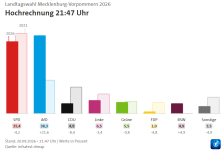
Technically they would have enough for a majority, even if they are on the opposite ends of the horseshoe.
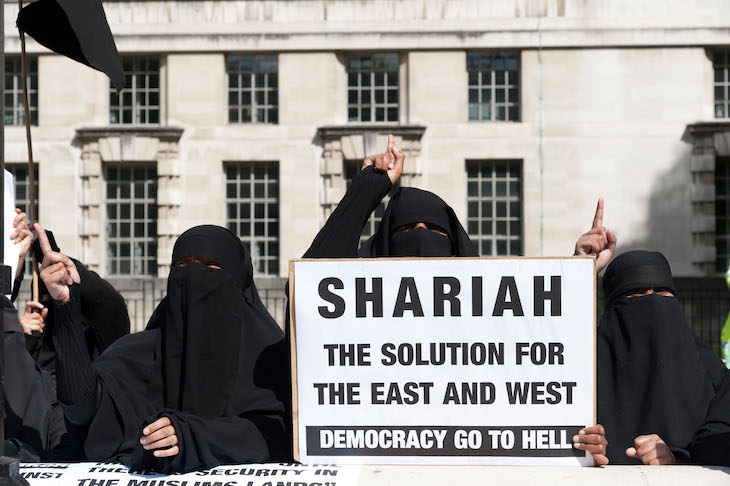
What is true is that the rise of AfD is definitely due to the migration crisis. Angela Merkel, the chancellor from the center-right CDU, opened the floodgates to mass migration of millions of Muslims in 2015, making the already ongoing problem of mass migration much worse. That was in 2015, and it was ridiculous. German women were told that they should dress more modestly because of these migrants, and on German state TB (ARD) a Muslim woman was triumphantly declaring that in future wearing the hijab is what it will mean to "be German". Since the left-of-center parties have been even more pro-migration (a Green Party politician said in the Bundestag speech that she longs for the day when Germans will lose majority status and become just one of many ethnic groups in Germany) there was really no mainstream party for anybody critical of mass migration to go to. That gave a huge boost to AfD. In 2013 they had only 4.7% and did not get into the Bundestag (generally, 5% is required). In 2017, they already jumped to 12.6%. The rise of AfD is the result of mainstream parties, especially center-right CDU not engaging seriously with the issue of mass migration.